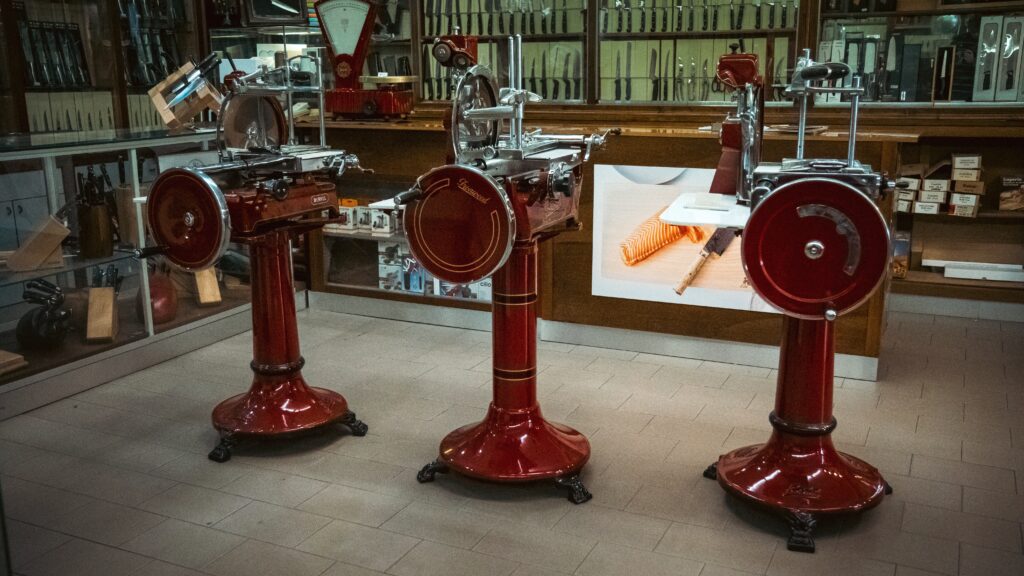
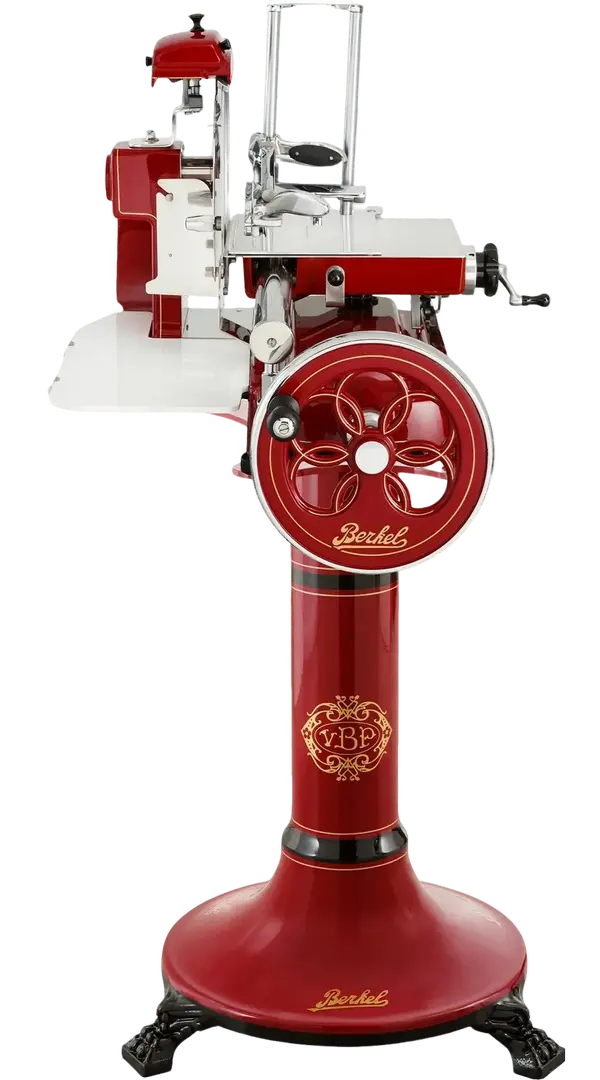
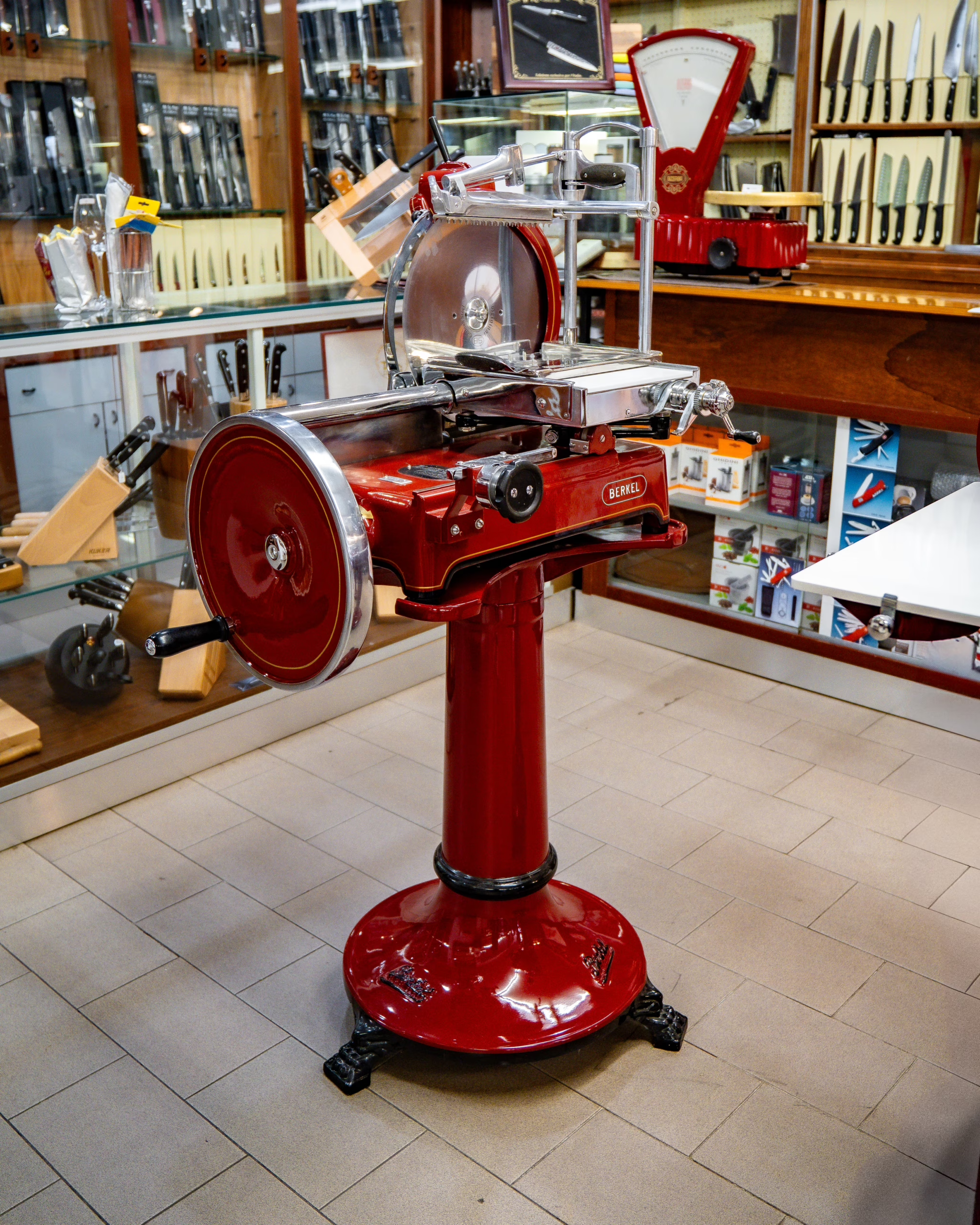
Slicer restoration: an art that brings back to life not only beautiful antiques
It also brings back to life a piece of history and mechanical ingenuity; it represents a fascinating combination of passion, mechanical precision and respect for tradition.
The process of restoring a slicer is a compelling journey
...which often starts with a dusty and perhaps rusty specimen, but one with incredible potential, is meticulous work that requires technical skills, knowledge of materials, and respect for the original mechanics.
These machines, born in the early twentieth century, were not only functional tools in workshops and delicatessens, but true masterpieces of craft engineering and industrial design.
Restoring a slicer does not mean simply repairing it:
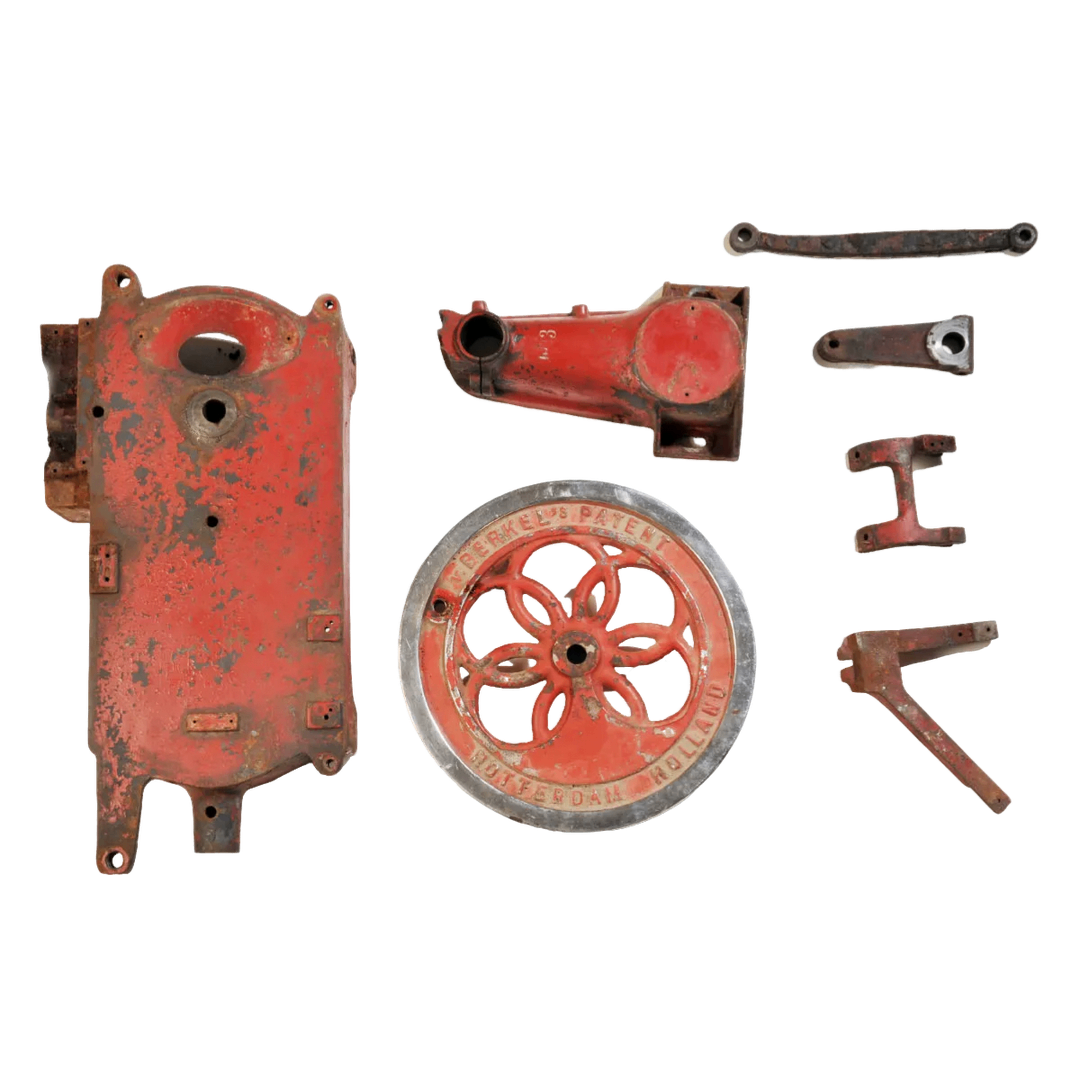
The crucial first step is an accurate diagnosis of the overall condition.
We need to figure out which parts are damaged, which are missing, and which just need a deep cleaning.
Next comes disassembly, a delicate operation that requires care and method.
Each piece is cataloged and analyzed individually. Cleaning is a key step: removing rust, hardened grease and food residue accumulated over the years can reveal hidden details and the true nature of the materials. Sometimes mechanical methods are used, sometimes specific chemical solutions, always with the utmost care so as not to damage the original surfaces.
Next comes disassembly, a delicate operation that requires care and method.
Each piece is cataloged and analyzed individually. Cleaning is a key step: removing rust, hardened grease and food residue accumulated over the years can reveal hidden details and the true nature of the materials. Sometimes mechanical methods are used, sometimes specific chemical solutions, always with the utmost care so as not to damage the original surfaces.
Repair or replacement of damaged parts is the heart of restoration.
If a part is hopelessly compromised, the search for an identical period replacement becomes a real treasure hunt. When the original cannot be found, people resort to handcrafted reconstruction, precision work that requires skill and knowledge of the materials of the period.
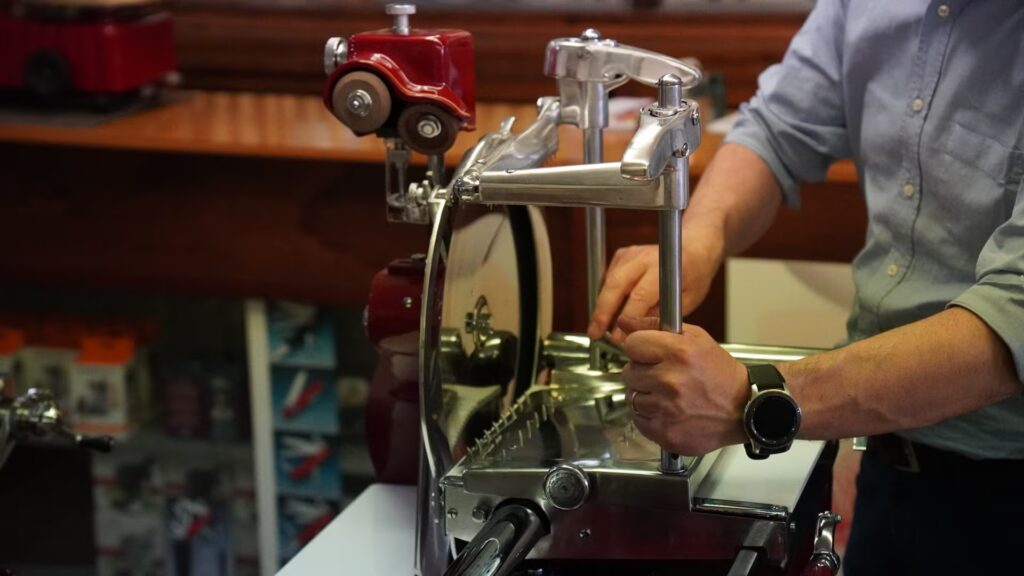
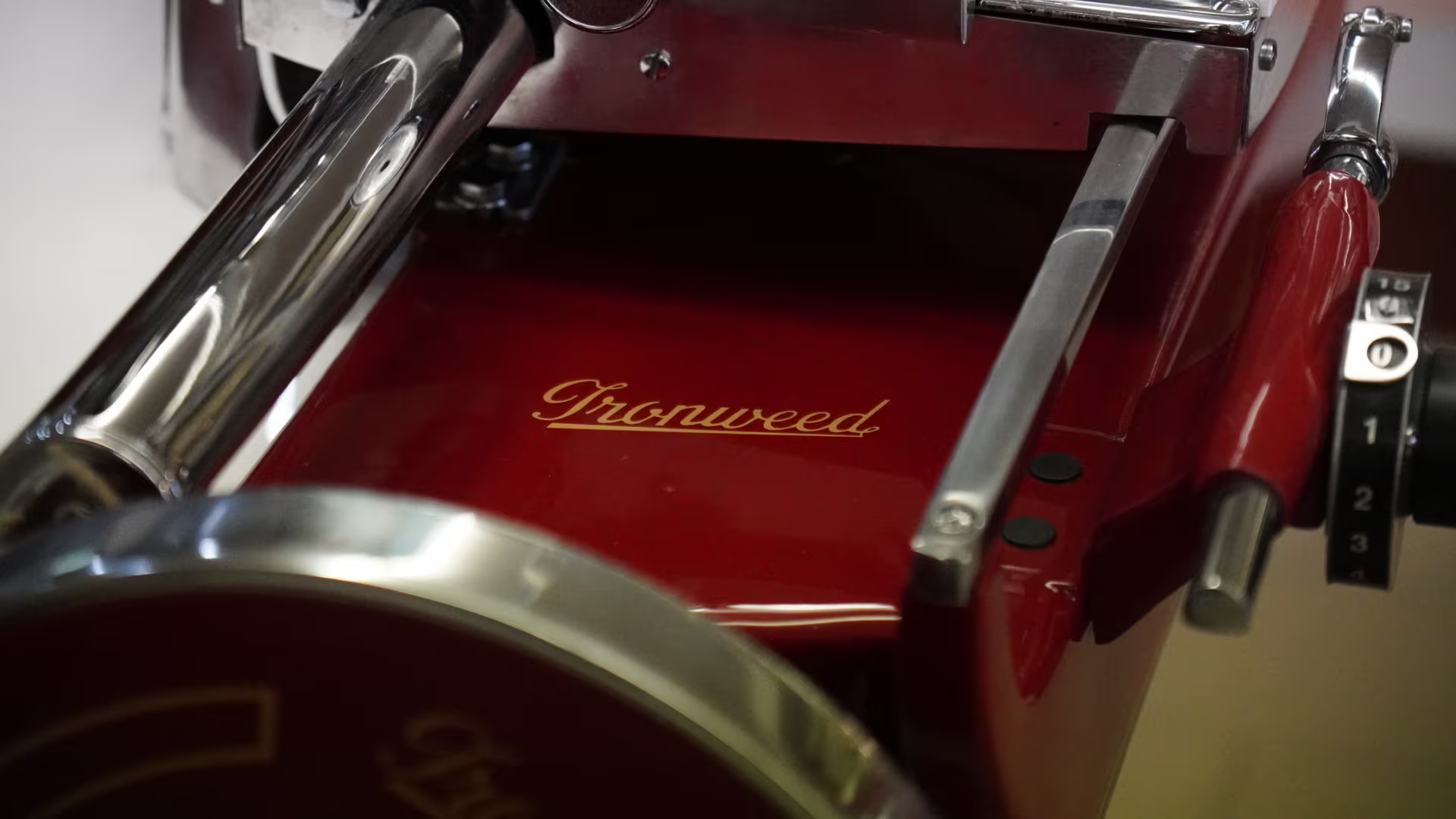
Polishing is a magical moment when brass, steel, or cast iron shine again, revealing their original beauty.
The same process is repeated, reducing the pressure slightly. The goal is to remove the scratches left by the coarse-grained stone and continue to define the edge.
Polishing is a magical moment when brass, steel, or cast iron shine again, revealing their original beauty.
The same process is repeated, reducing the pressure slightly. The goal is to remove the scratches left by the coarse-grained stone and continue to define the edge.
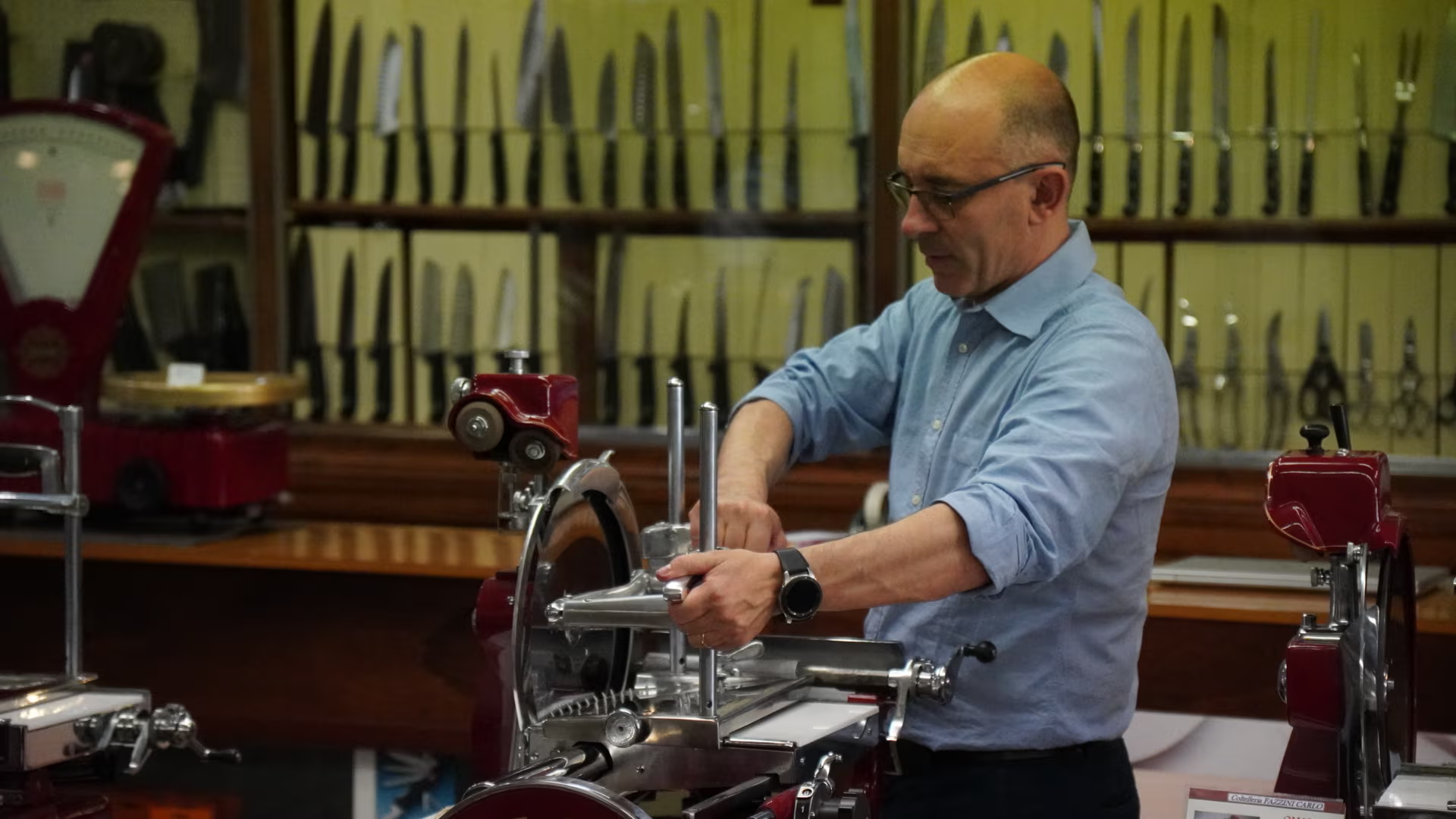
Finally, reassembly is carried out.
An operation that requires the same care as disassembly, making sure that every mechanism works smoothly and safely. Sometimes a test run is necessary to make sure the slicer is fully functional and ready to return to its former glory.
Restoring a slicer is not only a technical job, but also an act of love toward an object that has made history in our kitchens and stores.
It is a way of preserving the memory of an era and breathing new life into a piece of craftsmanship that deserves to be admired even today.
This site is registered on wpml.org as a development site. Switch to a production site key to remove this banner.